
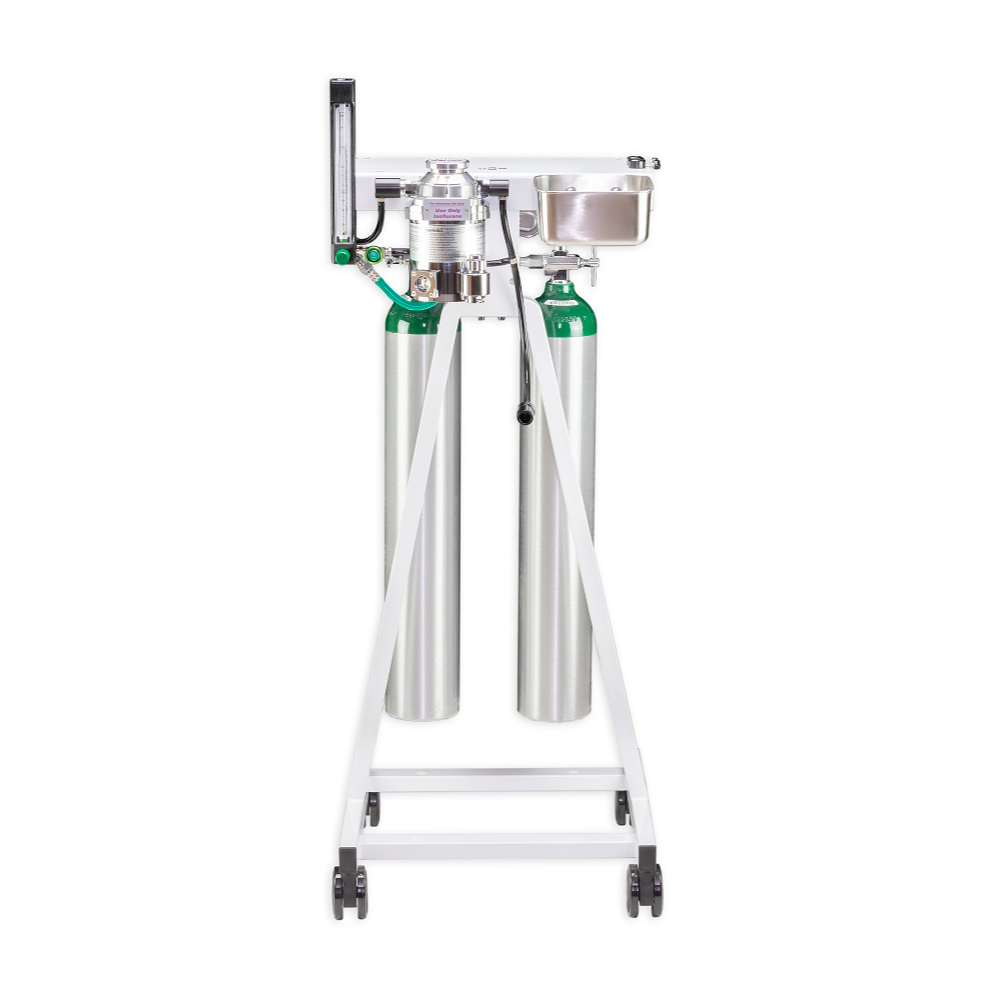
Asepsis instruments, also known as sterilization or infection control instruments, are tools used in healthcare settings to maintain strict standards of cleanliness and prevent the spread of infectious agents. These instruments are essential for ensuring patient safety and reducing the risk of healthcare-associated infections. Here are some examples of asepsis instruments:
Autoclave: An autoclave is a device used to sterilize medical instruments, equipment, and supplies by subjecting them to high-pressure saturated steam at elevated temperatures. This process effectively kills bacteria, viruses, fungi, and spores, ensuring that items are safe for patient use.
Ultrasonic Cleaner: Ultrasonic cleaners use high-frequency sound waves to agitate a cleaning solution, effectively removing debris, organic material, and contaminants from medical instruments. This pre-cleaning step helps prepare instruments for sterilization and enhances the effectiveness of the sterilization process.
Instrument Washer-Disinfector: Instrument washer-disinfectors are automated machines that clean, disinfect, and dry medical instruments and equipment. They use a combination of mechanical action, detergent, and high-temperature water to remove soil and reduce microbial contamination.
Chemical Disinfectants: Chemical disinfectants such as glutaraldehyde, hydrogen peroxide, and quaternary ammonium compounds are used to disinfect non-critical and semi-critical medical instruments and surfaces. These disinfectants kill or inactivate a broad spectrum of microorganisms, including bacteria, viruses, and fungi.
Biological Indicators: Biological indicators, also known as spore tests, are used to monitor the effectiveness of sterilization processes, particularly autoclave sterilization. These indicators contain bacterial spores that are resistant to sterilization and serve as a challenge to ensure that the sterilization cycle has achieved the desired level of microbial kill.
Sterilization Pouches and Wraps: Sterilization pouches and wraps are used to package sterilized instruments and maintain their sterility until they are ready for use. These pouches and wraps are made of materials that allow for steam penetration while protecting the contents from contamination during storage and transport.
Personal Protective Equipment (PPE): PPE, such as gloves, masks, gowns, and eye protection, is essential for healthcare providers to prevent exposure to infectious agents during patient care activities. Proper use of PPE helps minimize the risk of cross-contamination and infection transmission.
Hand Hygiene Products: Hand hygiene products, including soap, waterless hand sanitizers, and antiseptic hand rubs, are crucial for healthcare providers to maintain clean hands and prevent the spread of infectious agents between patients and healthcare workers
Reviews
There are no reviews yet.