
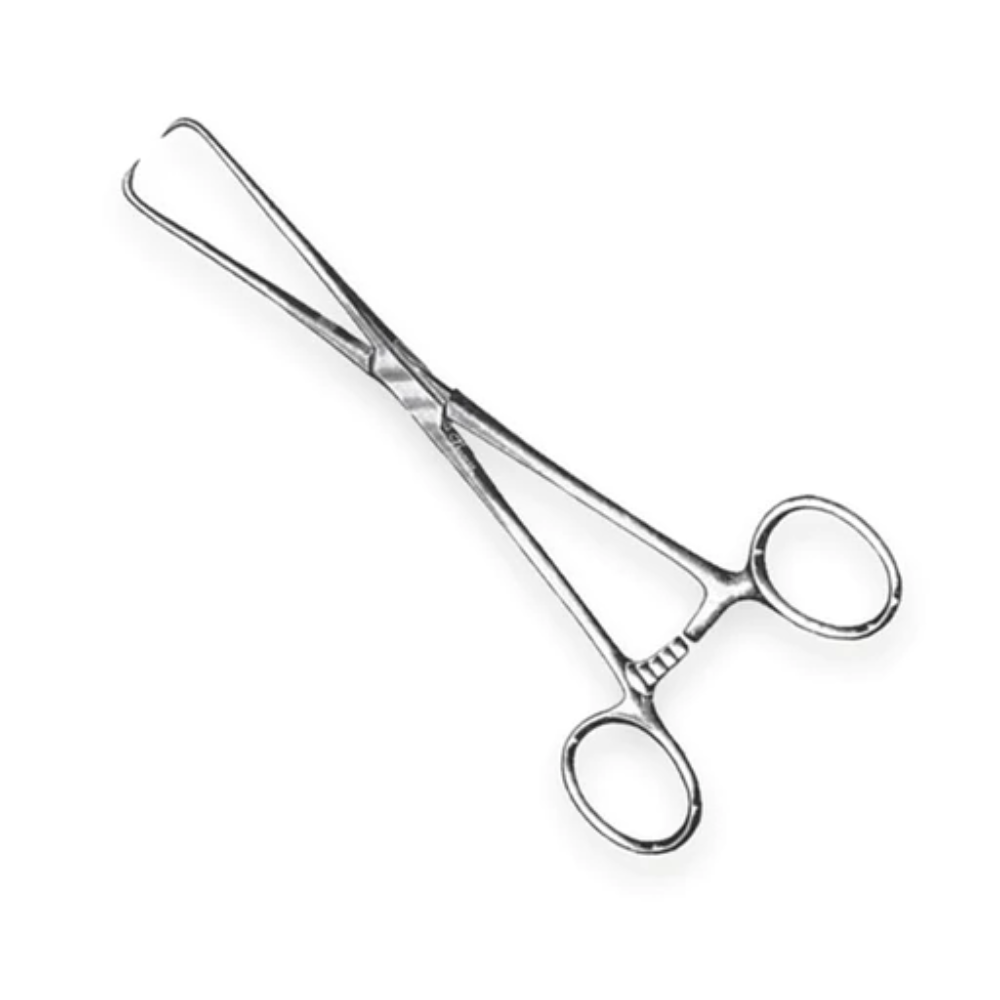
Peritoneum forceps, also known as peritoneal forceps or abdominal forceps, are specialized surgical instruments used in abdominal and pelvic surgery to manipulate, retract, or grasp the peritoneal lining, which is the thin membrane that lines the abdominal cavity and covers the abdominal organs. These forceps come in various shapes, sizes, and designs, each suited for specific surgical tasks and anatomical regions within the abdominal cavity. Here are some common types of peritoneum forceps and their uses:
DeBakey Peritoneum Forceps: DeBakey peritoneum forceps are delicate, fine-tipped forceps with atraumatic jaws that are used to gently grasp and manipulate the peritoneal lining without causing tissue damage. They are commonly used in abdominal and pelvic surgery for retracting peritoneal flaps, exposing surgical fields, and providing atraumatic tissue manipulation during dissection.
Richardson Peritoneum Forceps: Richardson peritoneum forceps have broad, flat blades with fenestrations or teeth along the jaws, providing a secure grip on the peritoneal lining or abdominal tissues. They are commonly used in abdominal surgery for retracting the peritoneum and exposing deep structures, such as the intestines, during surgical procedures.
Cushing Peritoneum Forceps: Cushing peritoneum forceps have long, slender jaws with fine tips and a curved or angled design, allowing for precise tissue manipulation and dissection within the abdominal cavity. They are commonly used in gynecological and colorectal surgery for grasping and retracting the peritoneal lining during laparoscopic or open procedures.
Lahey Peritoneum Forceps: Lahey peritoneum forceps have a unique design with long, thin jaws and a locking mechanism that allows for secure tissue grasp and manipulation. They are commonly used in abdominal surgery for retracting the peritoneal lining and providing exposure of deep abdominal structures during surgical procedures.
Finochietto Peritoneum Forceps: Finochietto peritoneum forceps have curved, serrated jaws with a locking mechanism that allows for secure tissue grasp and manipulation. They are commonly used in thoracic and abdominal surgery for retracting the peritoneum, rib cage, or other tissues during surgical procedures.
Mayo Peritoneum Forceps: Mayo peritoneum forceps have long, straight jaws with serrated or smooth surfaces and a locking mechanism that allows for secure tissue grasp and manipulation. They are commonly used in abdominal surgery for retracting the peritoneum and providing exposure of deep abdominal structures during surgical procedures.
Mixter Peritoneum Forceps: Mixter peritoneum forceps have long, curved jaws with atraumatic tips and a locking mechanism that allows for secure tissue grasp and manipulation. They are commonly used in gynecological and urological surgery for retracting the peritoneum and providing exposure of pelvic organs during surgical procedures.
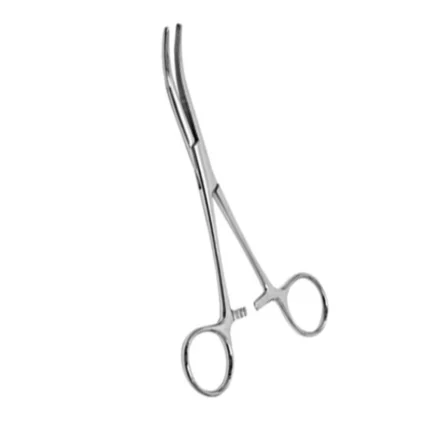
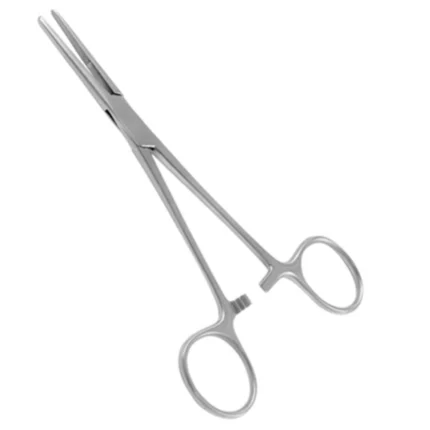
Reviews
There are no reviews yet.