
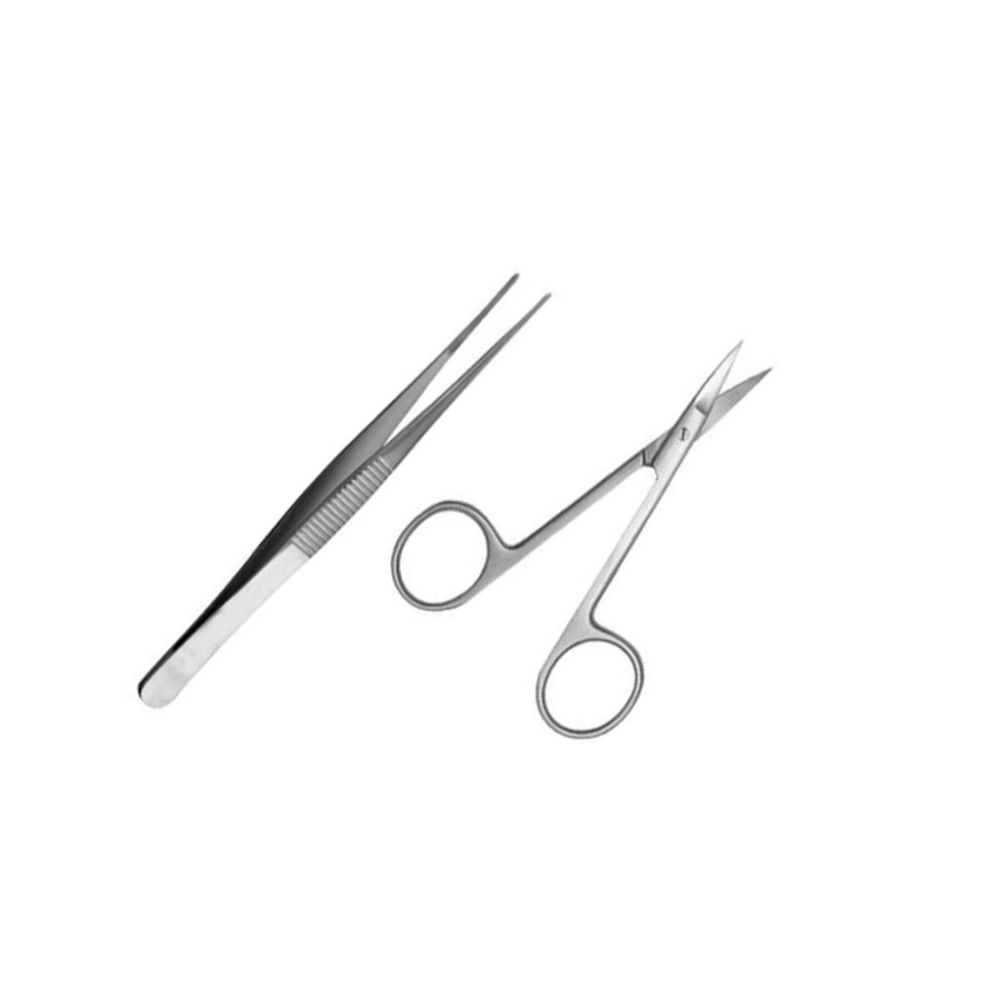
Dermatology instruments are specialized tools used by dermatologists, dermatologic surgeons, and other healthcare professionals to diagnose, treat, and manage various skin conditions, disorders, and lesions. These instruments are designed to perform specific functions related to dermatological procedures, including examination, biopsy, excision, and treatment of skin lesions. Here are some common types of dermatology instruments:
Dermatoscope: A dermatoscope is a handheld magnifying device equipped with a light source, used to examine skin lesions and structures in detail. It allows dermatologists to visualize pigmentation patterns, vascular structures, and other features not visible to the naked eye, aiding in the diagnosis of skin conditions such as melanoma, basal cell carcinoma, and vascular lesions.
Biopsy Punch: A biopsy punch is a sharp, cylindrical instrument used to obtain a skin biopsy specimen for histopathological examination. It creates a small circular incision in the skin, allowing dermatologists to collect tissue samples from suspicious lesions or areas of concern for further analysis and diagnosis.
Cryosurgery Instruments: Cryosurgery instruments are used to perform cryotherapy, a technique that involves freezing and destroying abnormal or unwanted skin tissue using extreme cold. Common cryosurgery instruments include cryoprobes, cryosprays, and cryochambers, which deliver cryogenic agents such as liquid nitrogen to the skin to treat conditions such as warts, actinic keratoses, and skin cancers.
Electrosurgery Instruments: Electrosurgery instruments use high-frequency electrical currents to cut, coagulate, or vaporize tissue during surgical procedures. In dermatology, electrosurgery instruments such as electrosurgical units, electrodes, and electrodesiccation devices are used for procedures such as excision of skin lesions, removal of warts, and treatment of benign and malignant skin tumors.
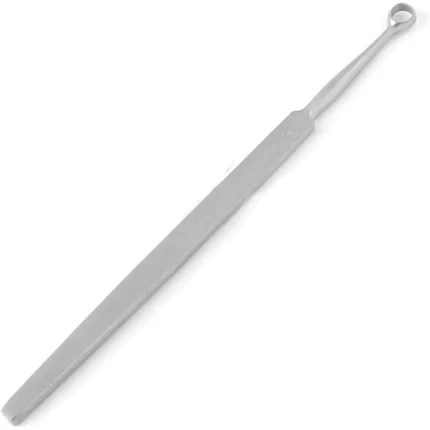
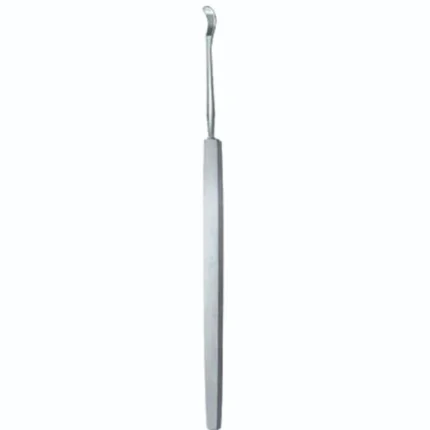
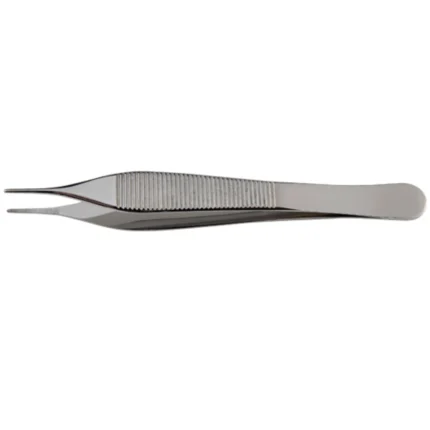
Dermatologic Surgery Instruments: Dermatologic surgery instruments include a wide range of tools used for surgical procedures performed by dermatologists and dermatologic surgeons. These instruments may include scalpels, surgical scissors, tissue forceps, needle holders, skin hooks, and retractors, among others, used for procedures such as skin excisions, flap repairs, and Mohs micrographic surgery.
Phototherapy Devices: Phototherapy devices are used to deliver specific wavelengths of light to the skin to treat various dermatological conditions, including psoriasis, vitiligo, and eczema. Common phototherapy devices include UVB lamps, UVA lamps, narrowband UVB units, and excimer lasers, which emit light at therapeutic wavelengths to target and improve skin lesions.
Microdermabrasion and Dermabrasion Instruments: Microdermabrasion and dermabrasion instruments are used to exfoliate and resurface the skin, removing dead cells, debris, and imperfections to improve skin texture and appearance. These instruments may include handheld devices, diamond-tipped wands, and rotary brushes used for procedures such as microdermabrasion, dermaplaning, and chemical peels.
Dermatology Lasers and Intense Pulsed Light (IPL) Devices: Dermatology lasers and IPL devices use laser or intense pulsed light technology to target and treat various skin conditions, including pigmented lesions, vascular lesions, hair removal, and skin rejuvenation. These devices emit specific wavelengths of light that selectively target melanin, hemoglobin, or water in the skin to achieve therapeutic effects.
Reviews
There are no reviews yet.