
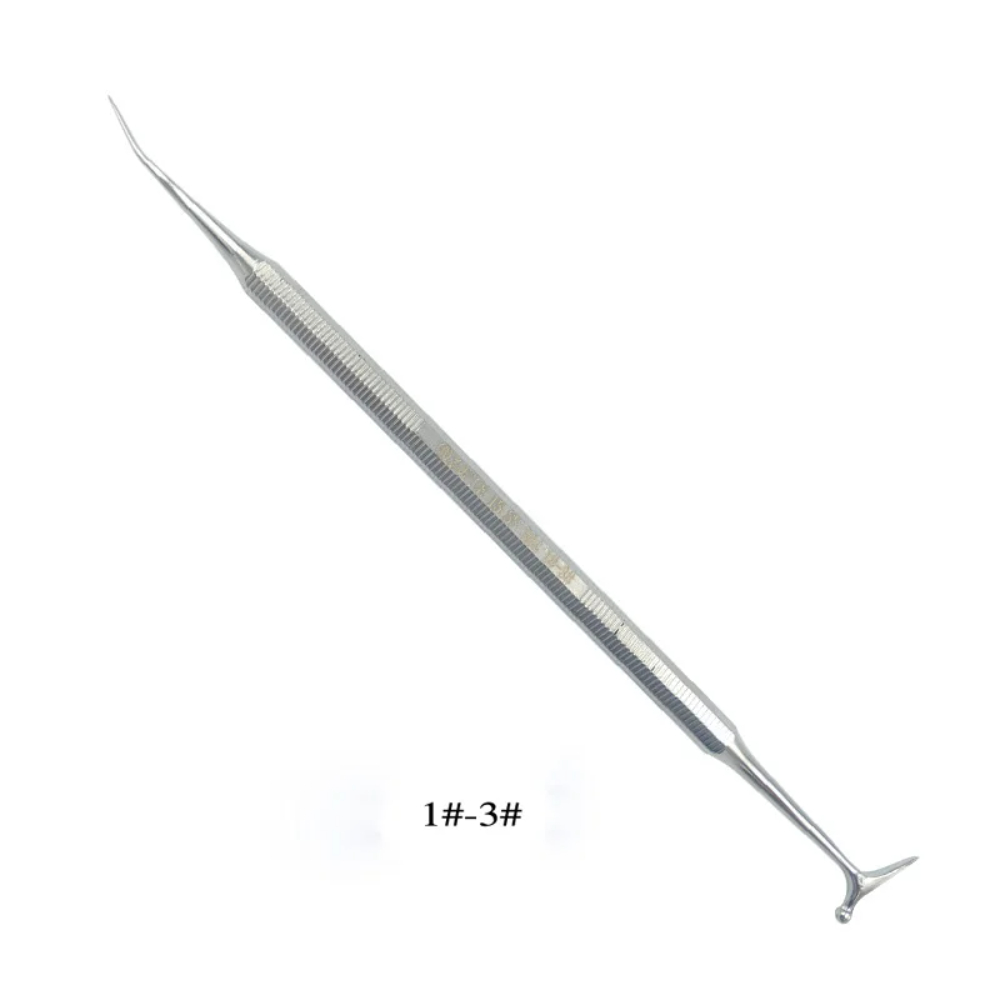
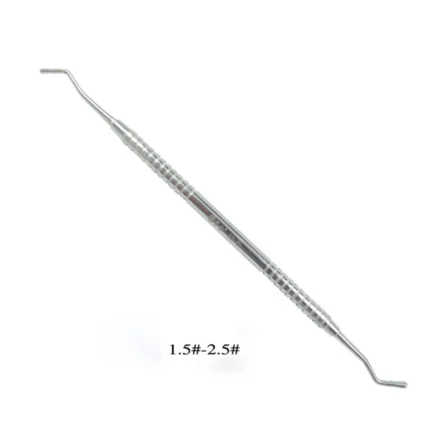
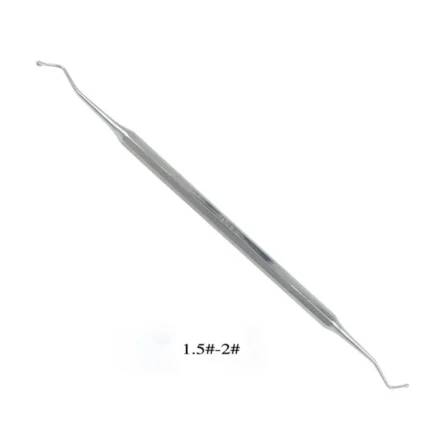
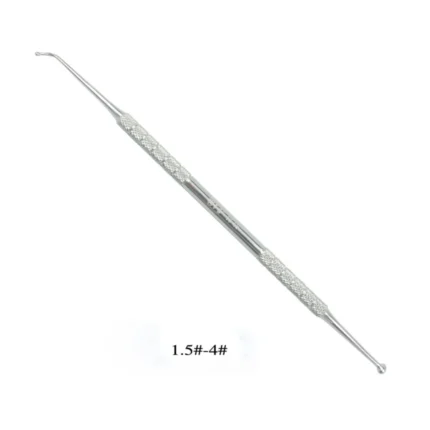
Dental filling instruments are specialized tools used by dentists during restorative procedures to place, condense, shape, and finish dental filling materials such as amalgam, composite resin, or glass ionomer cement. These instruments are designed to manipulate filling materials accurately and efficiently while achieving optimal adaptation, contour, and finish. Here are some common types of dental filling instruments:
Amalgam Instruments:
Amalgam carriers: Used to transport and place mixed amalgam material into the prepared cavity.
Condensers/pluggers: Used to condense and pack amalgam material into the cavity, ensuring proper adaptation and elimination of voids.
Carvers: Used to shape and contour freshly placed amalgam filling material to restore natural tooth anatomy.
Burnishers: Used to smooth and polish the surface of the amalgam filling material, creating a smooth and glossy finish.
Composite Instruments:
Composite placement instruments: Used to place and adapt composite resin filling material into the prepared cavity.
Composite condensers/pluggers: Similar to amalgam condensers, these instruments are used to condense and pack composite resin material into the cavity.
Composite sculpting instruments: Used to shape and contour the composite resin material to achieve proper anatomy and occlusion.
Composite finishing instruments: Used to finish and polish the composite filling material to create a smooth and esthetic restoration.
Glass Ionomer Instruments:
Glass ionomer placement instruments: Used to place and manipulate glass ionomer cement filling material into the prepared cavity.
Glass ionomer condensers: Used to condense and pack glass ionomer cement material into the cavity.
Glass ionomer carvers: Used to shape and contour the glass ionomer filling material for proper adaptation and esthetics.
Other Filling Instruments:
Excavators: Used to remove decayed tooth structure and debris from the cavity preparation before filling placement.
Liner and base placement instruments: Used to place liners or bases, such as calcium hydroxide or resin-modified glass ionomer cement, in deep cavities to protect the pulp and promote healing
Reviews
There are no reviews yet.