
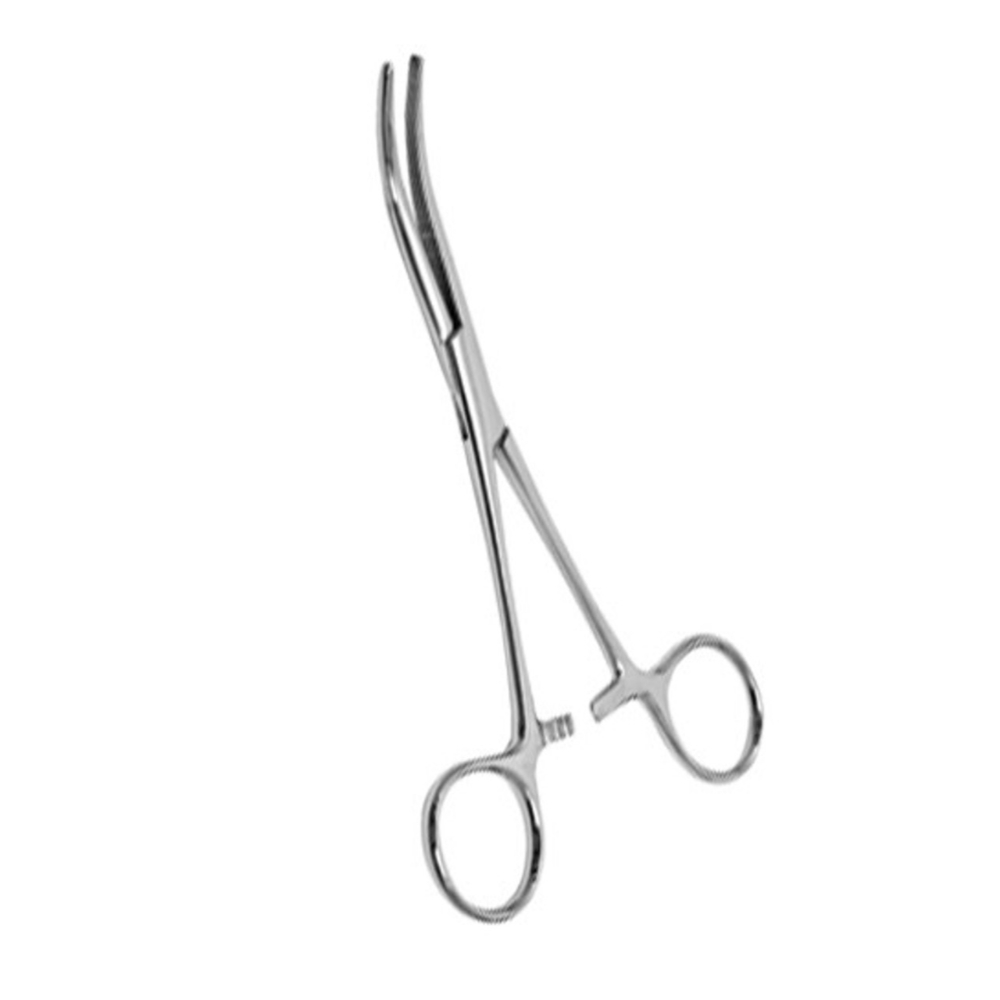
Surgical forceps are handheld, hinged instruments used by surgeons, physicians, and medical professionals for grasping, holding, or manipulating tissues, organs, sutures, or other surgical instruments during surgical procedures. Forceps are available in a wide variety of shapes, sizes, and designs, each suited for specific surgical tasks. They are typically made of high-quality stainless steel or other durable materials that can withstand sterilization processes. Here are some common types of surgical forceps:
Tissue Forceps:
Adson forceps: Fine-toothed forceps with small, serrated tips, used for grasping delicate tissues such as skin or fascia.
Brown-Adson forceps: Similar to Adson forceps but with wider, flat tips and fewer teeth, providing a gentler grip on tissues.
Allis forceps: Ratcheted forceps with multiple small teeth along the jaws, used for grasping or holding tough tissues such as skin, muscle, or fascia.
Babcock forceps: Smooth, atraumatic forceps with a looped tip design, used for grasping delicate or tubular structures such as intestines, fallopian tubes, or blood vessels.
Debakey forceps: Delicate, atraumatic forceps with a fine serrated pattern along the jaws, used for handling fragile tissues such as blood vessels or nerves.
Kocher forceps: Heavy-duty forceps with large, interlocking teeth and a locking mechanism, used for grasping or holding dense or tough tissues.
Hemostatic Forceps:
Kelly forceps: Curved forceps with grooved tips and serrated jaws, used for clamping small to medium-sized blood vessels or tissues.
Crile forceps: Similar to Kelly forceps but with shorter jaws and finer serrations, used for clamping medium-sized blood vessels or tissues.
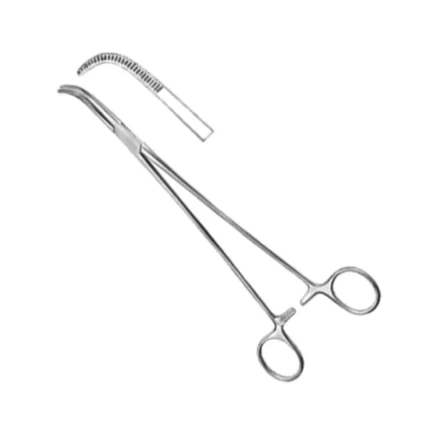
Rochester-Pean forceps: Larger, heavier forceps with straight or curved jaws and cross-serrated tips, used for clamping larger blood vessels or tissues.
Halsted mosquito forceps: Small, delicate forceps with fine tips and serrated jaws, used for clamping small blood vessels or fine tissue.
Dressing Forceps:
Iris forceps: Fine, delicate forceps with small, serrated tips, used for handling sutures, dressings, or other small objects during surgical procedures.
Spencer Wells forceps: Straight or curved forceps with fine tips and serrated jaws, used for holding or manipulating delicate tissues or securing surgical drapes.
Suture Forceps:
Needle holder: Specialized forceps with a ratcheted mechanism and a slot or groove in the jaws to securely hold surgical needles during suturing.
Derf needle holder: Similar to standard needle holders but with a longer, more slender design, used for deep or hard-to-reach areas during suturing.
Grasping Forceps:
Towel forceps: Large, toothed forceps with long jaws, used for grasping or securing surgical drapes or towels.
Sponge forceps: Similar to towel forceps but with shorter jaws and finer teeth, used for grasping or manipulating surgical sponges or gauze.
Reviews
There are no reviews yet.