
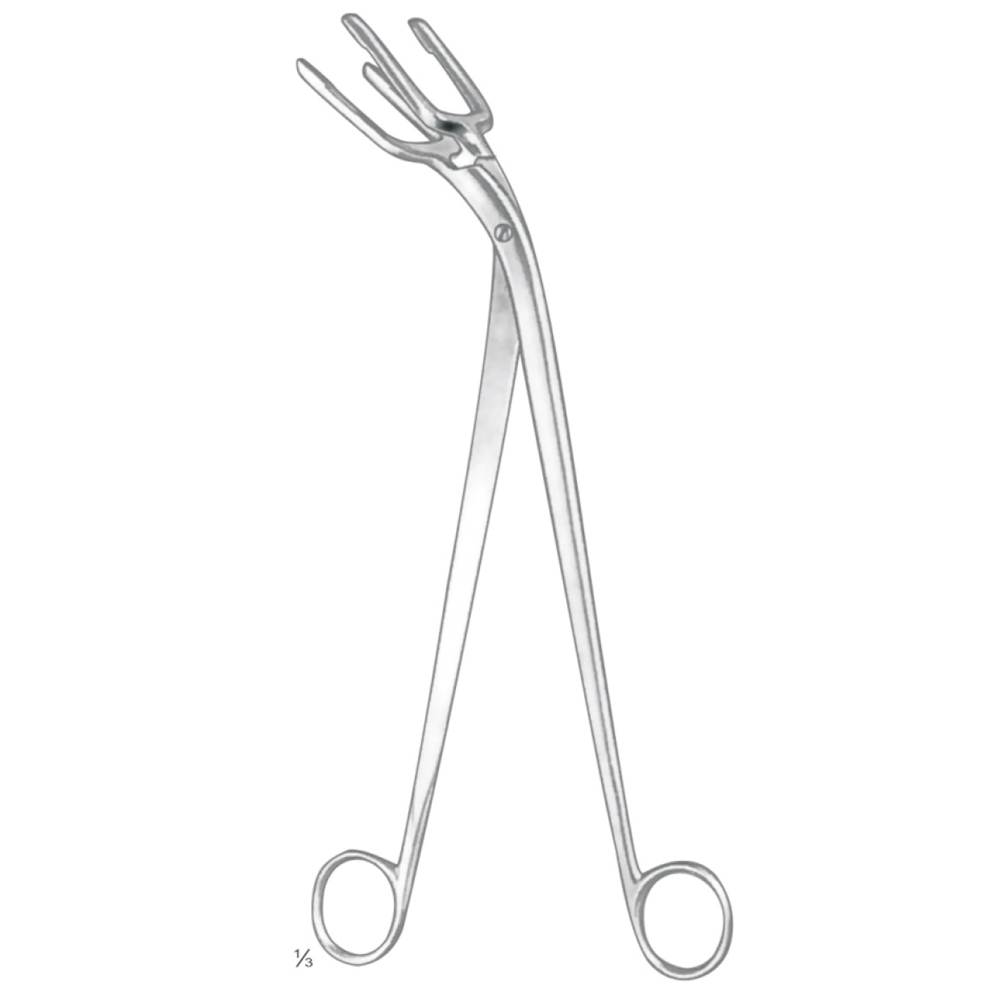
Anesthesia equipment refers to the various devices, machines, and tools used to administer anesthesia, monitor patients’ vital signs, and ensure their safety during surgical procedures or medical interventions. These equipment play a crucial role in anesthesiology practice, allowing anesthesiologists and anesthesia providers to deliver anesthesia agents safely and effectively while maintaining patient comfort and physiological stability. Here are some key components of anesthesia equipment:
Anesthesia Machines: Anesthesia machines are complex systems designed to deliver a precise mixture of gases and vapors to induce and maintain anesthesia during surgical procedures. They typically include components such as:
Gas supplies (oxygen, nitrous oxide, and medical air)
Vaporizers for delivering volatile anesthetic agents
Flowmeters to control the flow rate of gases
Breathing circuits and ventilators for mechanical ventilation
Pressure gauges and alarms to monitor gas pressure and flow
Anesthetic Vaporizers: Vaporizers are devices used to deliver volatile anesthetic agents (such as isoflurane, sevoflurane, or desflurane) to the patient in a controlled manner. They allow for precise adjustment of the concentration of anesthetic vapor delivered to the patient, ensuring optimal anesthesia depth while minimizing the risk of overdose or underdose.
Ventilators: Ventilators are mechanical devices used to assist or control a patient’s breathing during anesthesia and surgery. They deliver oxygen-enriched air to the patient’s lungs and remove carbon dioxide, helping to maintain adequate oxygenation and ventilation while the patient is under anesthesia.
Airway Management Devices: Airway management devices are used to establish and maintain a patent airway during anesthesia induction and throughout the surgical procedure. They include devices such as:
Endotracheal tubes
Laryngeal mask airways (LMAs)
Oral and nasal airways
Supraglottic airway devices
Patient Monitoring Equipment: Patient monitoring equipment is used to assess and monitor patients’ vital signs, oxygenation, ventilation, and anesthesia depth during surgery. This equipment may include:
Pulse oximeters for monitoring oxygen saturation
Capnographs for monitoring end-tidal carbon dioxide levels
Electrocardiography (ECG) monitors for monitoring heart rate and rhythm
Blood pressure monitors
Temperature probes
Gas analyzers for monitoring anesthetic gas concentrations
Regional Anesthesia Equipment: Regional anesthesia equipment includes tools and devices used to administer local anesthetic agents to specific nerves or nerve plexuses, providing anesthesia to a specific region of the body. This equipment may include nerve stimulators, needles, catheters, and infusion pumps.
Emergency Resuscitation Equipment: Emergency resuscitation equipment, including defibrillators, emergency airway kits, and medications for managing intraoperative emergencies, are essential components of anesthesia equipment to ensure prompt and effective response to adverse events.
Reviews
There are no reviews yet.